
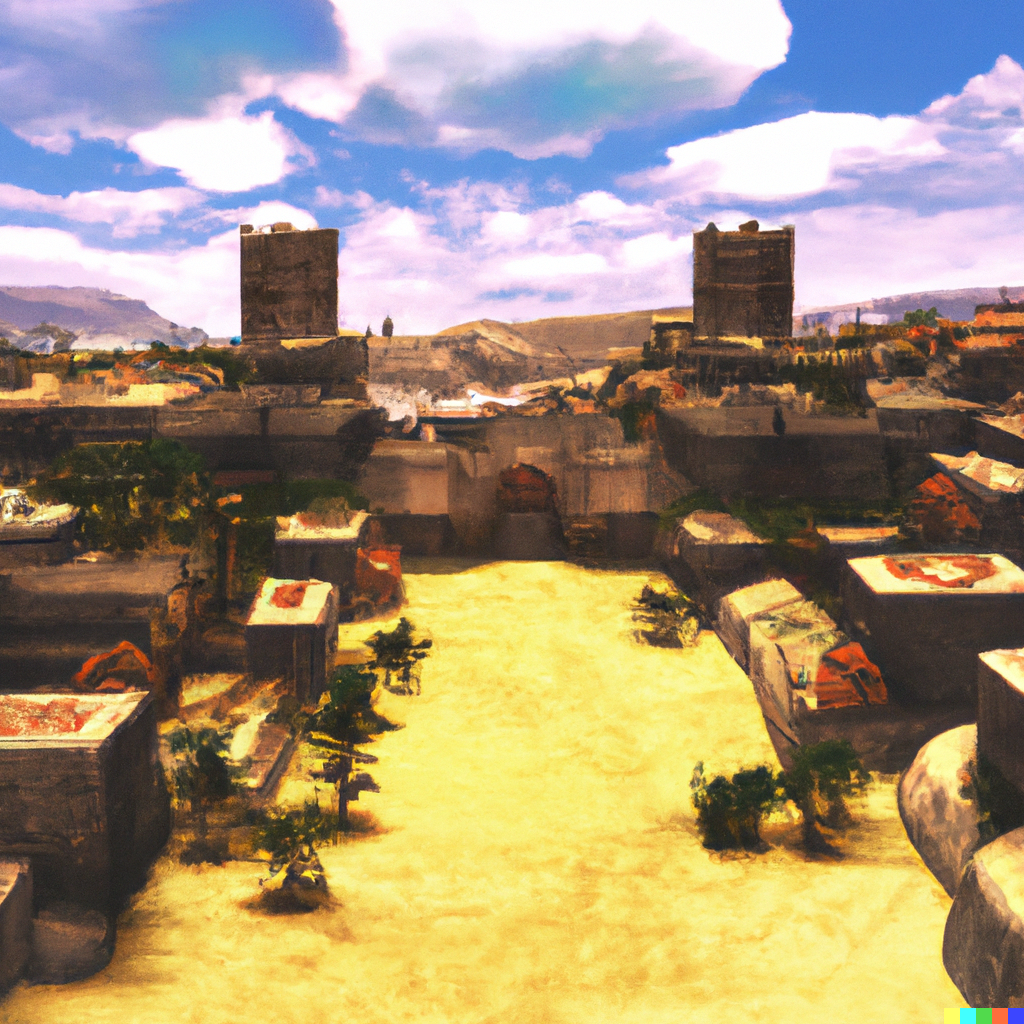
The city of Akasia is a place of raw strength and unyielding determination, where might and muscle reign supreme. Nestled amidst the rugged hills of a harsh, untamed wilderness, this great metropolis stands as a beacon of defiance against the forces of darkness that threaten to consume the land.
Warriors, Shamans, and Mutated Beasts: The Battle for Survival in Akasia
Its populace is a diverse mix of humans, orcs, and half-orcs, all united in their shared love of warfare and hunting. Men and women alike test their mettle in the gladiator pit, engaging in brutal combat and demonstrating their prowess in athletic and acrobatic events.
But even in a city where brute force is celebrated, wisdom is still revered. The shamans of Akasia are respected and feared in equal measure, for they possess the ability to call upon the spirits of nature and bestow powerful blessings upon the city’s warriors.
And these warriors are not idle. They stand as the first line of defense against the mutated beasts that roam the Forgotten Waste, as well as the undead and demonic hordes that seek to lay waste to the city.
From Gladiator Pits to Festival Fires: The Pleasures of Life in Akasia
Despite their love of battle, the people of Akasia are not without their pleasures. In fact, one of their favorite pastimes is cooking over open flames, particularly during the Festival of Fire. Meat, fish, and vegetables of all kinds are skewered and roasted to perfection, filling the air with mouth-watering aromas that draw people from all corners of the city.
In Akasia, brawn and might are celebrated, but so too are wisdom, skill, and the pleasures of the table. It is a city unlike any other, a place where the raw energy of the land itself is harnessed in service of a greater good.
- Name: Akasia, City of
- Area: Akasian Desert
- Population size (avg):
- Population Type: Array
- Magic arts not practised: Array
- Summary:
- Geography:
- The Akasian desert provides a harsh and challenging environment, making survival a constant struggle.
- The great oasis serves as the lifeblood of the city, offering a source of water, sustenance, and a central gathering place.
- Society:
- The city is likely a melting pot of different cultures, with humans, orcs, and half-orcs living side by side. This mix could lead to a vibrant and diverse society.
- The strong fighter and shamanistic traditions suggest a society that values both physical prowess and a deep connection with spiritual forces.
- Core populace consists mainly of humans, orcs, and half-orcs who deeply value warfare, hunting, physical prowess, and brutal gladiatorial combat. Barbarian fighters form the backbone of combat culture, thriving on brawls and arena fights as a way of life and income.
- Arena System. Five stadiums total – one massive main stadium (Iindawo Zokulwa) for top-tier epic finals and championships, plus four smaller ones divided into two lower-tier pits (for raw beginners and brawlers) and two middle-tier arenas (for rising stars). Fights are not always to the death; many are for glory, ranking, or punishment.
- Arena seating. Rich trader families (local and from other cities/races) occupy the best seats, placing bets and networking. Shamans in the stands bless fights or heal afterward.
- Classes and Professions:
- Fighters would be highly respected in Akasia, with a tradition of combat prowess and martial skills. Warriors may participate in gladiatorial events or serve as guards protecting the city.
- Shamans would play a crucial role, acting as spiritual leaders, healers, and advisers. They might commune with the desert spirits or tap into the mystical energies of the oasis.
- Government:
- Royal/War Barbarian Family. An elite, extended royal bloodline of war barbarians exists – heavily tattooed, high-status, and difficult for outsiders/players to join. Entry requires extraordinary feats (e.g., saving a clan elder or flawless victories).
- The city could be governed by a council representing each race, ensuring a balance of power and fair representation.
- Economy:
- The economy could revolve around trade routes that cross the desert, with Akasia serving as a central hub for merchants and caravans.
- Resources from the oasis, such as unique herbs or crystals imbued with magical properties, might be highly sought after.
- Religion and Spirituality:
- The inhabitants of Akasia likely revere desert spirits, and their religious practices might involve rituals to appease or gain favor from these entities.
- Shamans hold high respect, communing with desert and nature spirits. They provide blessings, curses, spiritual guidance, mid-fight spirit interventions (e.g., calling winds), and post-battle healing with runes and rituals. Some shamans watch from the stands during fights.
- Conflict and Alliances:
- Tensions may exist between the different races, but the shared struggle for survival in the harsh desert environment could foster alliances.
- External threats, such as nomadic raiders or rival city-states, may pose challenges that require unity among the inhabitants.
- Strong trade relationship with dwarves from the Krilnara mountain range, valuing their superior craftsmanship (axes, armor, possibly enchanted runic items). Akasia provides warriors in return.
- Military Cooperation. Akasian fighters (often with dwarven allies) regularly battle southward against an undead scourge pushing into the desert from a corrupted source, protecting the oasis and trade routes. Joint war-councils occur seasonally, involving shared drinks (dwarven ale, orc bloodwine) and strategy.
- Architecture:
- Buildings in Akasia might be designed to withstand the desert climate, with cooling structures, shaded marketplaces, and intricate patterns reflecting the cultural heritage of each race.
- Geography:
- Unique laws:
- Society:
- Clan Control of Arenas. Different houses or clans (e.g., Ironfist, Boneweavers) own and operate the stadiums, controlling access, sponsorships, betting, and monetary gains. Clans push fighters to climb the ranks for prestige and profit.
- Justice and Participation in Arenas. Some fighters are volunteers (especially barbarians seeking fame and coin), while others are unlucky prisoners, debtors, or those too poor to pay fines – forced into the pits as a form of city justice or debt repayment.
- Government:
- Leadership positions might be earned through feats of strength or spiritual insight, reinforcing the importance of the fighter and shamanistic traditions.
- Justice and Participation in Arenas. Some fighters are volunteers (especially barbarians seeking fame and coin), while others are unlucky prisoners, debtors, or those too poor to pay fines – forced into the pits as a form of city justice or debt repayment.
- Economy:
- The economy could revolve around trade routes that cross the desert, with Akasia serving as a central hub for merchants and caravans.
- Resources from the oasis, such as unique herbs or crystals imbued with magical properties, might be highly sought after.
- Religion and Spirituality:
- The oasis itself could be considered sacred, with ceremonies held to honor its life-giving properties.
- Society:
- Businesses and Services:
- The largest stadium in the city is Iindawo Zokulwa
- …


